

Product Title
This is some text inside of a div block.
$0
I was fully alone in my apartment and walked around to inspect each room in the golden stillness of the morning. My apartment was drenched in light, I opened the windows in the living room and welcomed in the fresh, calm air. After heating the kettle for a cup of tea, I stepped out onto the balcony and breathed deeply. The wind blew against my skin as a gentle reminder of the early summer. This moment set the tone for the rest of the day. I sat and observed the street, feeling calm and in no hurry to complete my daily tasks. Not long after, I realized I was running late for an appointment at the Albany Sauna. I rushed into the car, ready to be guided by the heat and steam that lay ahead.
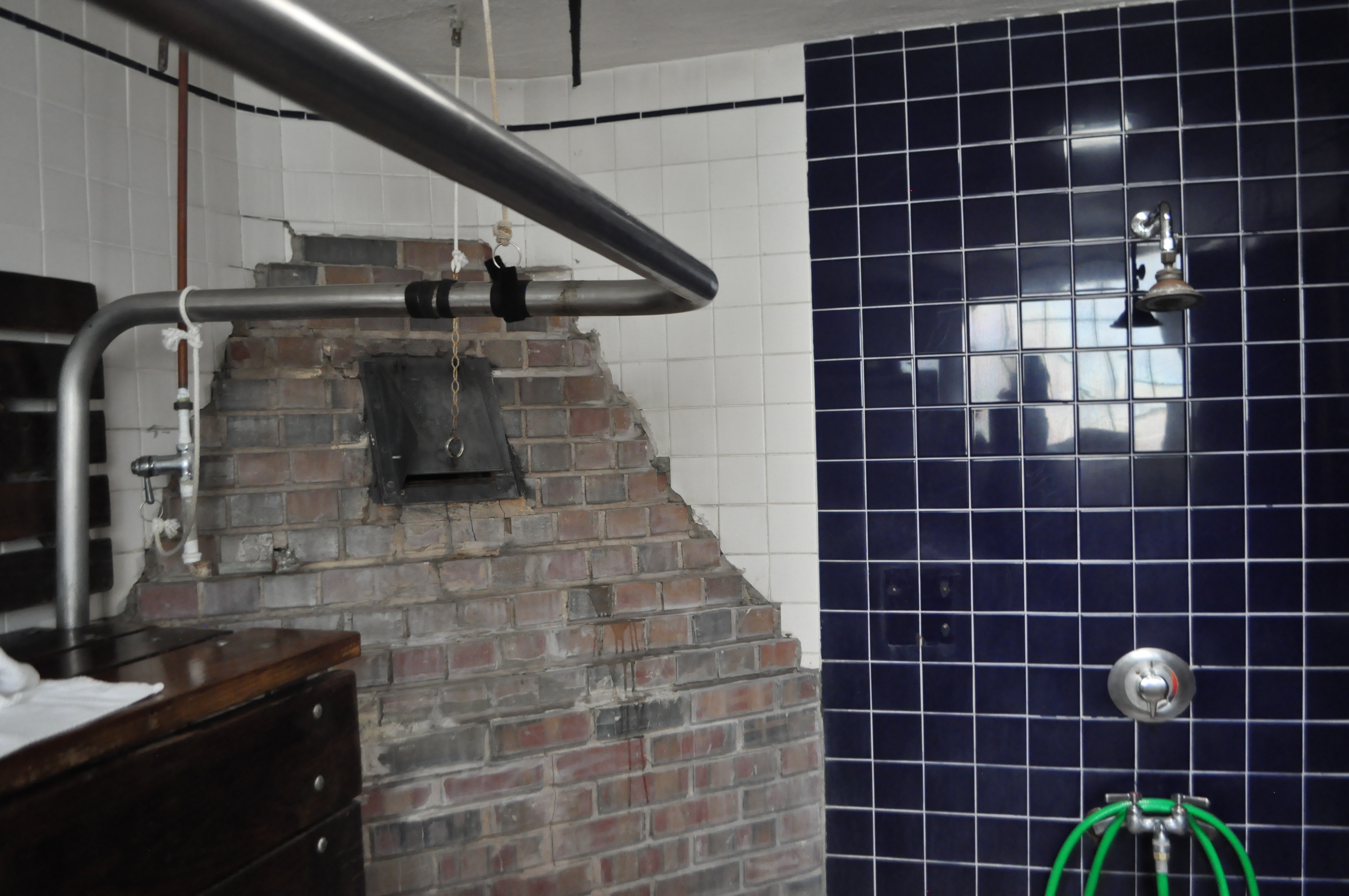
tucked away in California’s East Bay, is home to the oldest Finnish-style sauna in California. The sauna, built in 1934 by Finnish-American Henry Walter Lundgren, continues to operate with the original Finnish-style sauna furnace. The sauna has one central brick furnace connected to four private sauna rooms. The furnace contains several tons of river rocks, which are heated for five hours each morning and release steam all day. The shared nature of the furnace is revealed by the low murmurs of conversations that hum in with the steady flow of steam.
Today wasn’t my first visit. I’ve been twice before, once with a group of friends and once, more recently, with my mom and younger sister. Today was my first time alone, and I was ready to meditate in the silence and sweat.
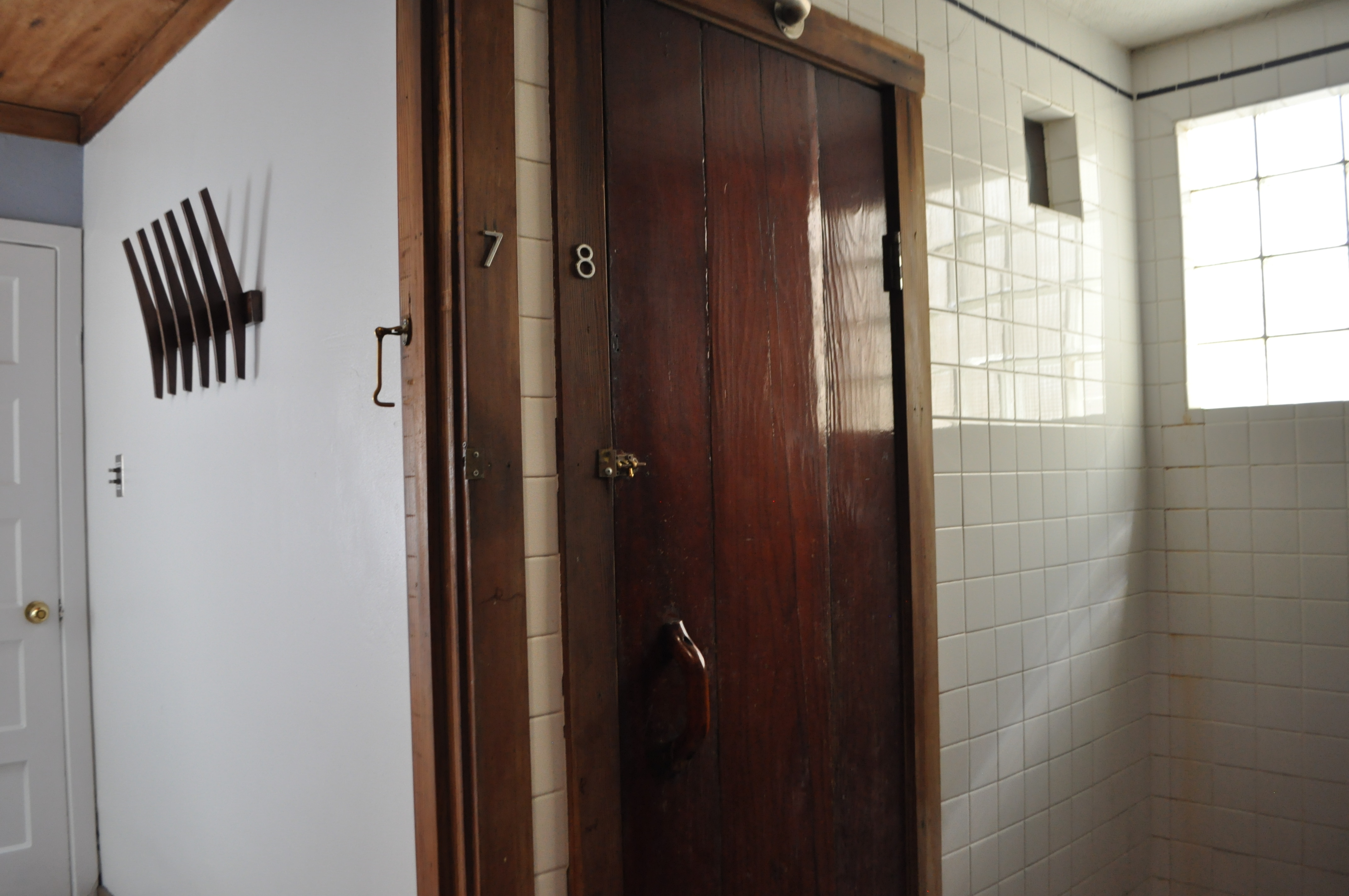
The woman at the front desk is a familiar face. She greeted me with a quiet warmth and handed me her usual offerings: a body towel, a bench towel, and a eucalyptus-scented washcloth. The scent alone made me inhale deeper, and by this point, I was eager to enter the heat. She showed me to the sauna room, a room much smaller than the one I had been in before. The space was brightly lit from the skylight above, and the wood in the room radiated a feeling of warmth.
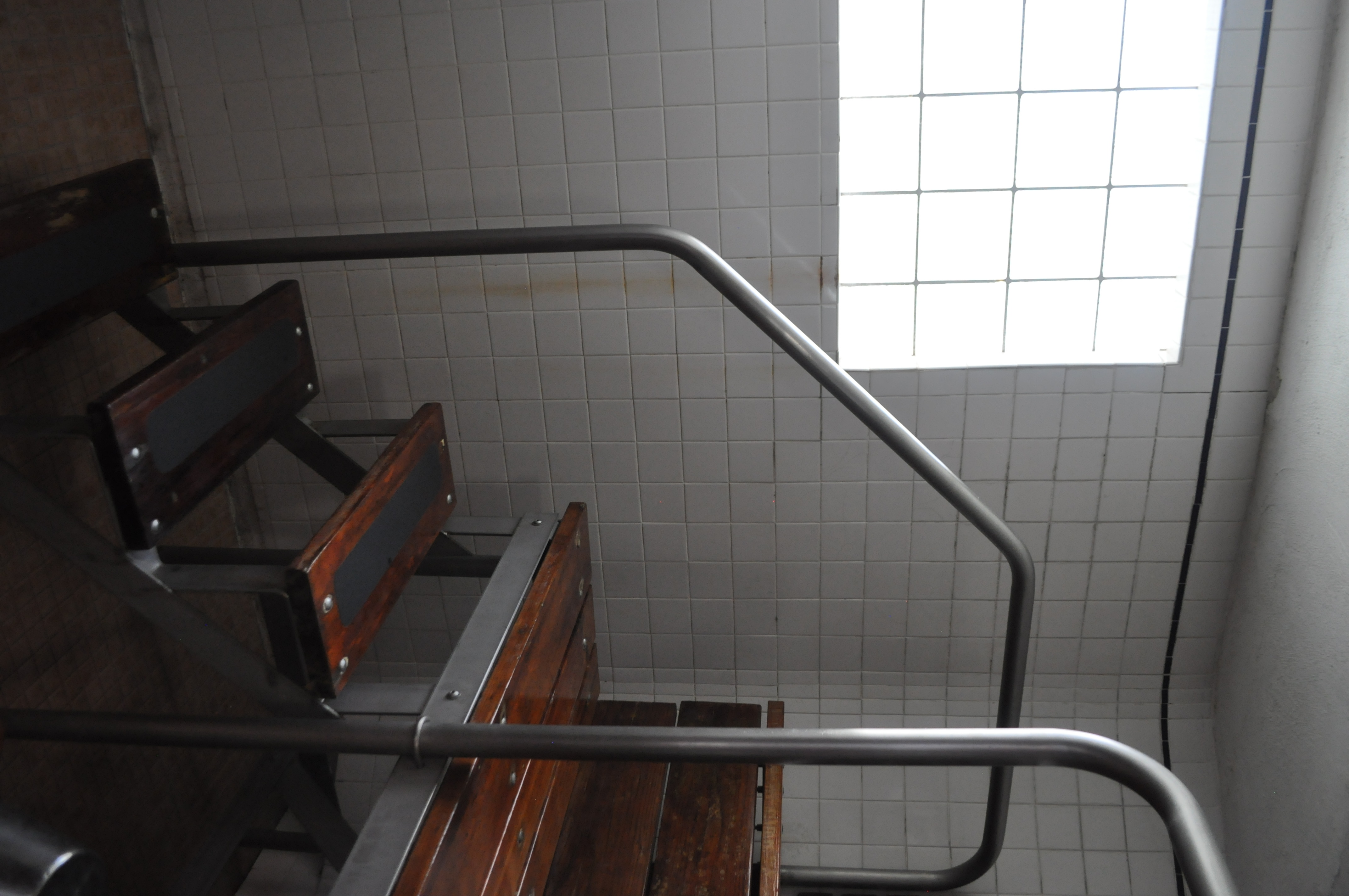
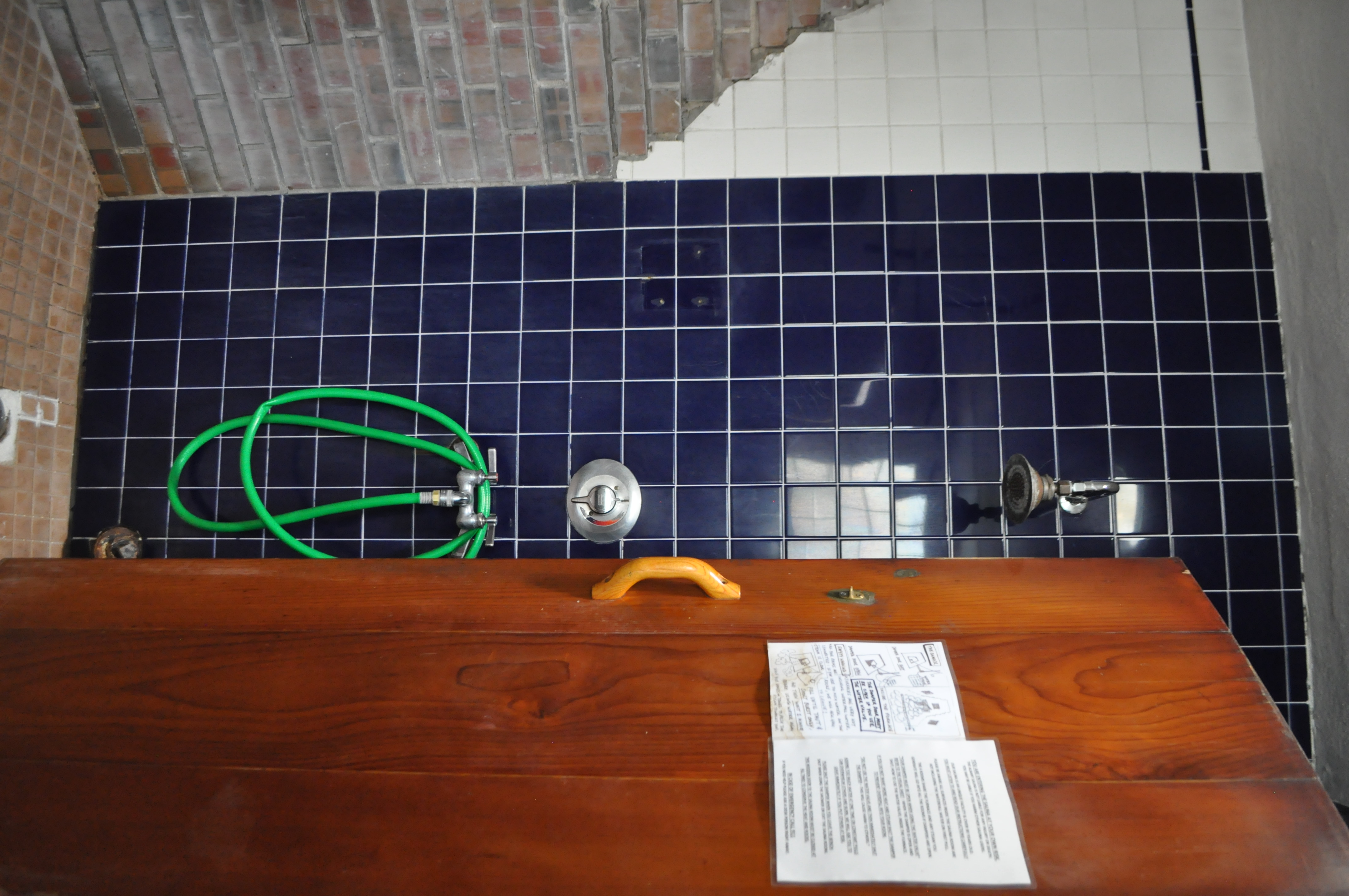
Once I undressed, I started as always with a quick rinse in the shower. Then I climbed a short staircase to the top bench, opened the damper with a rope, and allowed the steam to start flowing in. I slowly and repeatedly pulled the second rope, releasing water onto the furnace stones in an effort to sweat as much as possible. The room quickly bloomed with steam, or as the Finns call it, löyly.
Löyly is a Finnish word I had learned earlier in the day when I googled, “history of Finnish saunas.” The word löyly translates directly to “steam,” however, the translation fails to capture the essence of Finnish sauna tradition. In Finland, löyly is a spirit. The word is derived from the ancient word, lewle, which means soul. Löyly is the sacred soul and the breath of the sauna itself. As I sat in the heavy steam with the eucalyptus towel draped over my face, I felt löyly enveloping me. I concentrated on emptying my mind of my racing thoughts and experienced something much stronger than hot steam; I felt a meditated release of negativity and stress.
To my knowledge, löyly is an individualized encounter with meditation and purification in the presence of steam. A different approach to heat, steam, scents, and sounds can all contribute to a completely different experience in the sauna. From what I’ve learned, the spirit of the sauna is said to dwell within the rocks, and pouring water over them awakens and honors their spirit. The steam is said to have a purifying effect not only on the body, but also on the mind. Over time, the act of pouring water over the rocks has become a sacred and integral part of the sauna.
Discovering löyly left a deep impression on me, sparking a curiosity: what other cultures have sauna traditions, and how does the presence of steam vary across the world? The idea that steam is more than just a physical sensation, that it carries a spirit, an intention, and healing properties, has opened my mind. If löyly is at the heart of the Finnish sauna, what is at the heart of the Russian banya or Turkish hamman? Does a Japanese onsen have its own spiritual powers? I would like to imagine that these spaces hold quiet rituals, rooted in ancestry and belief in something transformative.
As I reflect on my Mediterranean roots, I wonder whether my Greek relatives share a similar connection to heat. Their long days spent in the sweltering sun likely have something to do with my appreciation for the humid pleasure of sauna culture. Today, Greek saunas and steam baths are founded on their ancient tradition of public baths. While the term “sauna” is more associated with our ideas of Finnish sauna culture, there are endless examples of different cultures utilizing steam for meditation, relaxation, and healing.
Heat carries its own wisdom and tradition. I imagine each culture’s approach to heat has its own language spoken by the body and the spirit, something unique that is transformed with each different approach. What unites them all might not be the physical detox, but rather the invitation to pause, sit with oneself, and embrace the quiet reflection. This interest, heightened by new knowledge of löyly, continues to guide my thoughts and deepens my respect for what heat can teach us.
During my 30-minute sauna session, I focused my curiosity on pursuing the ideal löyly. For me, this was a balance between heat and humidity in the physical space and a balance between a clear head and a present mindset in my mental space. I listened to the room, my breath, and my body. I sensed when to add water to the rocks, when to close off the damper, and when to sit still and breathe deeply. As the löyly expanded, I felt a quiet clarity settle in. I grounded myself in the steam and imagined the stress leaving my body through the little droplets of sweat that pooled on my skin and hit the cedar floor beneath me.
When the time came, I descended the bench slowly and stepped under the shower again, turning the water as cold as I could bear. I slowly washed my hair and body, feeling refreshed by the sensation of cold water on my skin.
I moved slowly back into the changing room with the knowledge that I had no reason to hurry. I dried off, dressed, and stepped out into the early summer evening with a sense of lightness and ease. My body felt warm, and my mind felt quiet as I reminded myself to breathe deeply. I went home with a new mindset of the sauna and its ancient spiritual philosophies as an offering of intentional presence. In the stillness of that evening, I reflected on the shift I had felt in the heat. I knew I had honored myself, my breath, and my renewal with a deep respect for the spirit that resides in the steam. What I found in the sauna was a place of solace, inner reflection, and profound concentration. Moving forward, the sauna and its spirit will inform how I perceive and experience other traditional practices centered on heat, steam, and spirit. The scent of cedar stays with me as a reminder of the sacred löyly.